Crops and plant production
Global importance of cereal crops in feeding the world
Cereal crops form the backbone of global food security, providing essential calories and nutrients to billions of people worldwide. As the world population continues to grow, the significance of wheat, rice, and maize in sustaining human nutrition cannot be overstated….
Read more
Why are agricultural crops the essential basis of food production?
Agricultural crops form the cornerstone of global food security, providing the essential nutrients and calories that sustain human life. These crops, ranging from staple grains to diverse fruits and vegetables, are the result of millennia of cultivation and innovation. As…
Read more
Strip cropping: A smart technique for soil protection and yield optimization
Strip cropping is a powerful agricultural practice that combines soil conservation with productivity enhancement. This innovative approach involves planting crops in alternating strips, typically following the contour of the land. By strategically arranging different crop types, farmers can significantly reduce…
Read more
The science behind crop rotation and its Long-Term benefits
Crop rotation, a cornerstone of sustainable agriculture, has evolved from ancient farming wisdom to a scientifically-backed practice crucial for modern food production. This agricultural technique involves the systematic alternation of different crops in a specific field over seasons or years….
Read more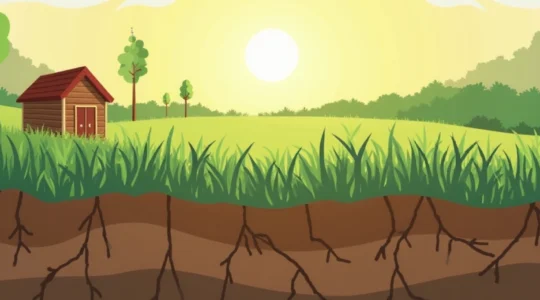
Natural methods to preserve and enhance soil fertility in agriculture
Soil fertility is the cornerstone of sustainable agriculture, playing a crucial role in crop productivity and environmental health. As global demand for food continues to rise, preserving and enhancing soil fertility through natural methods has become increasingly important. These approaches…
Read more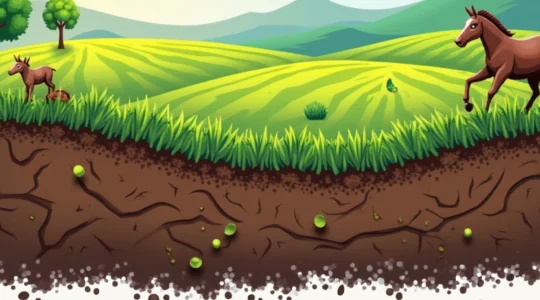
Understanding soil health: the foundation of productive crop farming
Soil health is the cornerstone of sustainable agriculture and productive crop farming. As the global population continues to grow, the demand for food production intensifies, making it crucial for farmers and agronomists to understand and nurture the complex ecosystem beneath…
Read more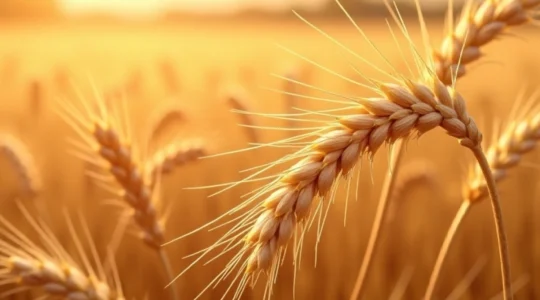
Wheat: history, cultivation, and modern uses
Wheat stands as one of the most influential plants in human history, shaping civilizations and feeding billions. This versatile grain has been a staple food for thousands of years, evolving from wild grasses into the high-yielding crops we know today….
Read more
Market gardening creates local, fresh food opportunities
Market gardening is revolutionizing local food systems by providing fresh, nutritious produce directly to consumers. This small-scale farming approach focuses on intensive cultivation techniques to maximize yield in limited spaces. As demand for locally-sourced food continues to grow, market gardens…
Read more
Why is crop rotation essential for healthy field crops?
Crop rotation stands as a cornerstone of sustainable agriculture, playing a pivotal role in maintaining soil health, managing pests, and optimizing crop yields. This age-old practice involves the systematic alternation of different crops in a specific field over successive growing…
Read more
5 techniques for managing pests in organic farming
Organic farming is gaining popularity as consumers become more conscious of the environmental and health impacts of conventional agriculture. One of the biggest challenges organic farmers face is managing pests without resorting to synthetic pesticides. Fortunately, there are numerous effective…
Read more